Hello, this is Goyang Shinsegae Eye Clinic.
When a child's glasses prescription continues to increase during their growing years, parents may become increasingly concerned about their vision.
Myopia, commonly known as nearsightedness, is more than just difficulty seeing distant objects clearly.
As children grow, myopia may progress as the eyeball becomes longer from front to back. For children whose vision is changing rapidly, myopia control treatment may be considered to help slow this progression.
Several treatment options are currently available, including orthokeratology (Ortho-K) lenses, daily disposable myopia control contact lenses, low-dose atropine eye drops (Myotact), and specialized myopia control glasses.
If you are looking for pediatric eye care in the Ilsan area, it is important to understand that no single treatment is equally suitable for every child.
The goal of pediatric myopia control is not to eliminate existing refractive errors but to slow the progression of nearsightedness during childhood.
1. Why Is It Important to Monitor the Progression of Myopia?
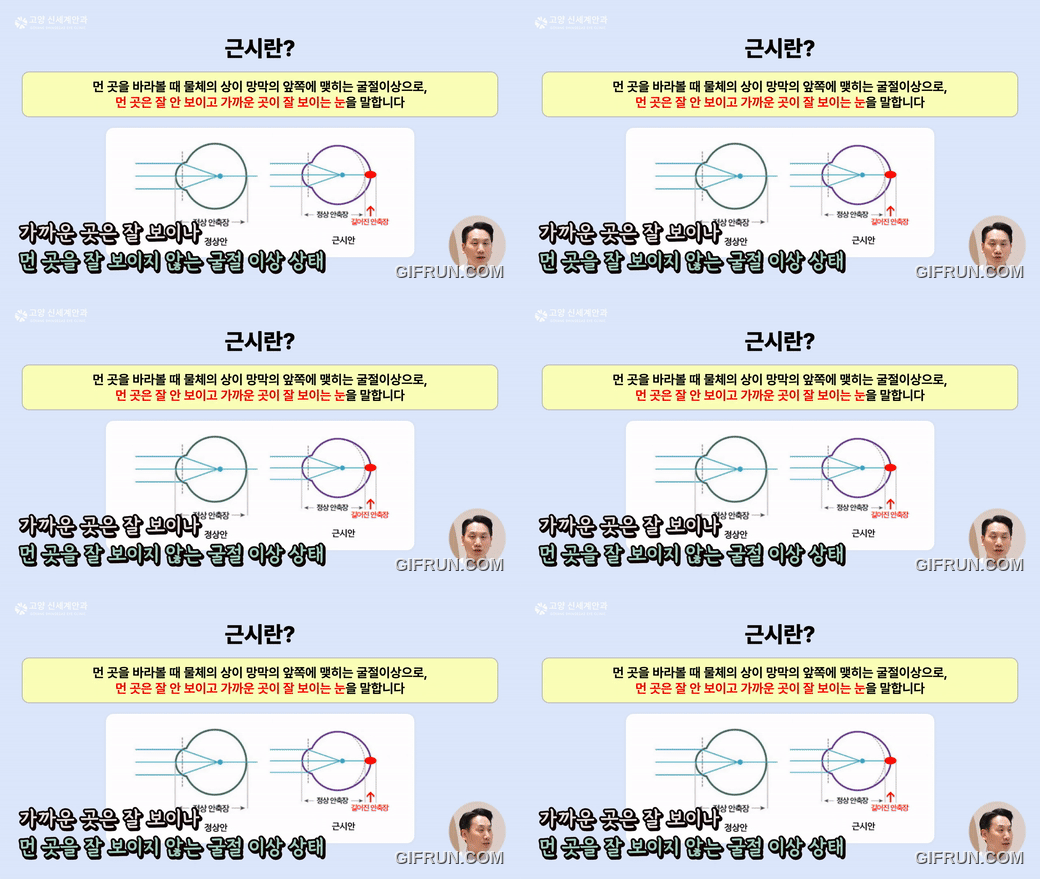
Myopia is a refractive error that often develops when the eyeball grows too long from front to back, causing incoming light to focus in front of the retina rather than directly on it.
As a result, distant objects appear blurry, while nearby objects generally remain easier to see.
However, myopia should not be viewed simply as a condition that requires increasingly stronger glasses.
If myopia progresses to a high degree during childhood, excessive elongation of the eyeball can stretch the retina and place additional stress on structures at the back of the eye.
Over time, this may increase the risk of certain eye conditions, including retinal detachment, myopic macular degeneration, glaucoma, and cataracts.
Therefore, during childhood, it is important to monitor not only a child's current visual acuity but also how quickly their myopia is progressing.
When choosing an eye clinic near Daegok Station, parents may find it helpful to ask whether examinations are available to assess myopia progression rather than relying on standard vision testing alone.
Several factors may influence the development and progression of myopia.
✅ Having one or both parents with myopia
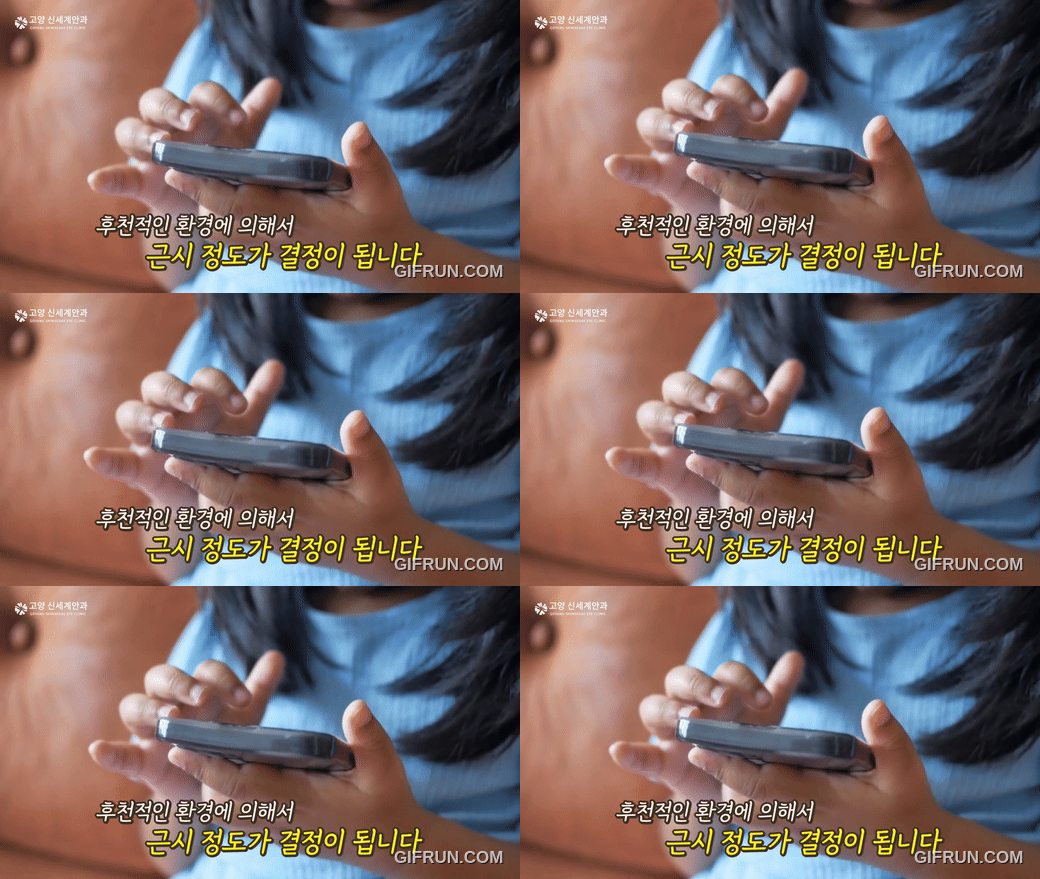
✅ Spending prolonged periods reading or using smartphones and other digital devices at close distances
✅ Spending insufficient time outdoors
✅ Experiencing rapid axial elongation during childhood
It is not realistic for children to completely avoid studying or other activities that require prolonged near vision.
For this reason, managing daily habits and considering appropriate myopia control treatment when necessary can be important parts of protecting a child's long-term eye health.

2. What Myopia Control Treatment Options Are Available?
There are four commonly used approaches to pediatric myopia control, and the most appropriate option depends on each child's eye condition and individual needs.
| Treatment | Characteristics | Potential Benefits | Considerations |
| Orthokeratology (Ortho-K) lenses | Worn overnight while sleeping | May allow clear daytime vision without glasses | Comfort, proper cleaning, and hygiene management |
| Myopia control soft contact lenses | Daily disposable lenses worn during the day | Provide vision correction while helping slow myopia progression | Ability to insert and remove lenses and adapt to contact lens wear |
| Low-dose atropine (Myotact) | Administered as eye drops | May be considered for children who have difficulty wearing contact lenses | Does not directly correct existing refractive errors |
| Myopia control glasses | Use specialized optical lens designs | Relatively convenient to wear and maintain | Selection depends on the child's eye condition and visual needs |
Each treatment works differently and has its own practical considerations.
Therefore, when discussing myopia control options at an eye clinic near Daegok Station, parents should consider not only the potential effectiveness of each treatment but also whether their child can use it consistently over time.
3. What Are the Benefits of Overnight Orthokeratology Lenses?
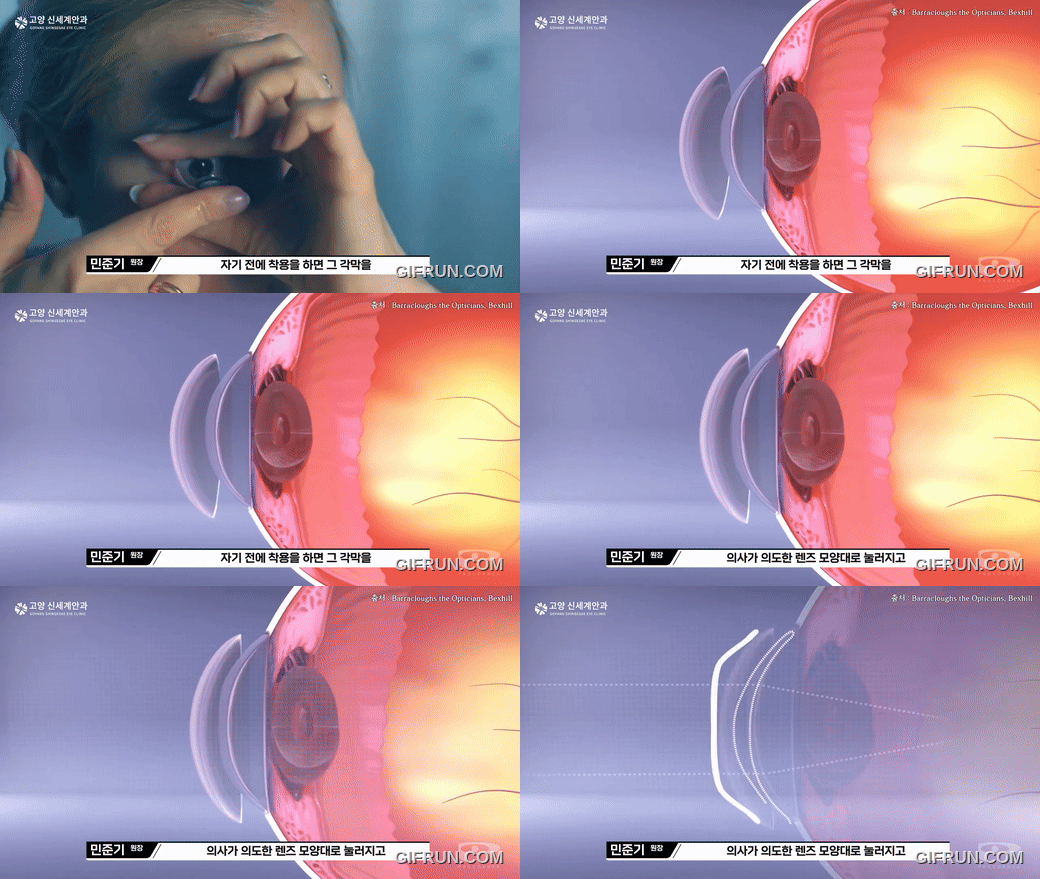
Orthokeratology, commonly referred to as Ortho-K, involves wearing specially designed rigid contact lenses while sleeping.
These lenses temporarily reshape the surface of the cornea, allowing many patients to experience improved uncorrected vision during the day without wearing glasses or daytime contact lenses.
Ortho-K lenses are also used as a myopia control treatment for children.
Depending on the degree and type of astigmatism, specially designed lenses may be selected to address individual refractive needs.
However, because the same lenses are worn repeatedly, proper cleaning, disinfection, and storage are essential.
Children wearing Ortho-K lenses for the first time may also experience some initial discomfort, so their ability to adapt to lens wear should be carefully evaluated.
To understand how Ortho-K may help manage childhood myopia, it is important to consider how nearsightedness develops.
One common form is axial myopia, which occurs when the eyeball becomes excessively elongated from front to back.
As children grow, their eyes continue to develop. If axial length increases too rapidly, myopia may continue to progress.
Ortho-K lenses temporarily reshape the cornea during sleep to correct refractive errors.
They also alter how light is focused on the peripheral retina.
These changes in peripheral retinal defocus are believed to influence the signals involved in axial eye growth.
Through this mechanism, Ortho-K treatment may help slow axial elongation and reduce the rate of myopia progression in children.
4. What Other Options Are Available If My Child Cannot Wear Contact Lenses?
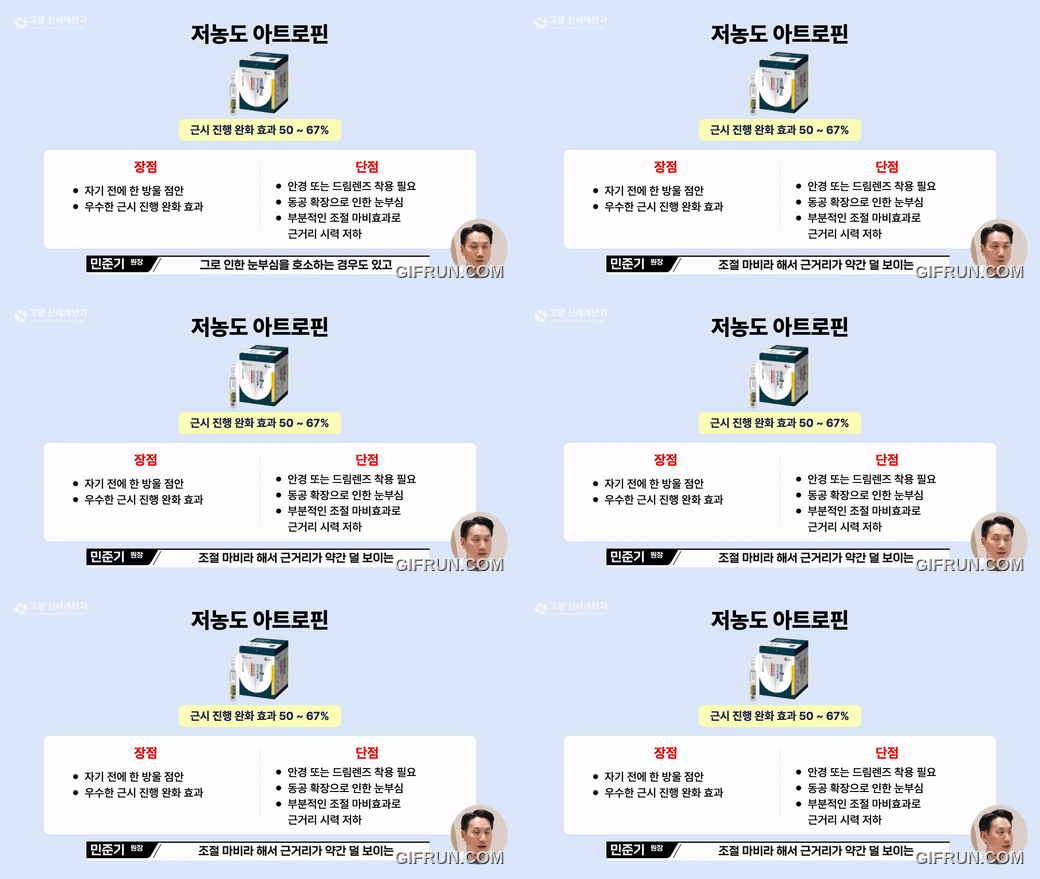
One alternative that may be considered is low-dose atropine eye drops, including Myotact.
Low-dose atropine is a pharmacological treatment used to help slow the progression of childhood myopia.
Following an ophthalmic examination, an ophthalmologist may prescribe atropine eye drops based on the child's eye condition and individual needs.
Unlike contact lenses or glasses, atropine eye drops do not directly correct existing refractive errors.
Therefore, children who already have reduced distance vision may still need prescription glasses or another form of optical correction.
The decision to use atropine, as well as the appropriate concentration, should be based on the child's eye condition, rate of myopia progression, and daily activities.
5. Is It Necessary to Choose Only One Myopia Control Treatment?
Selecting an appropriate myopia control treatment involves more than simply checking a child's current glasses prescription.
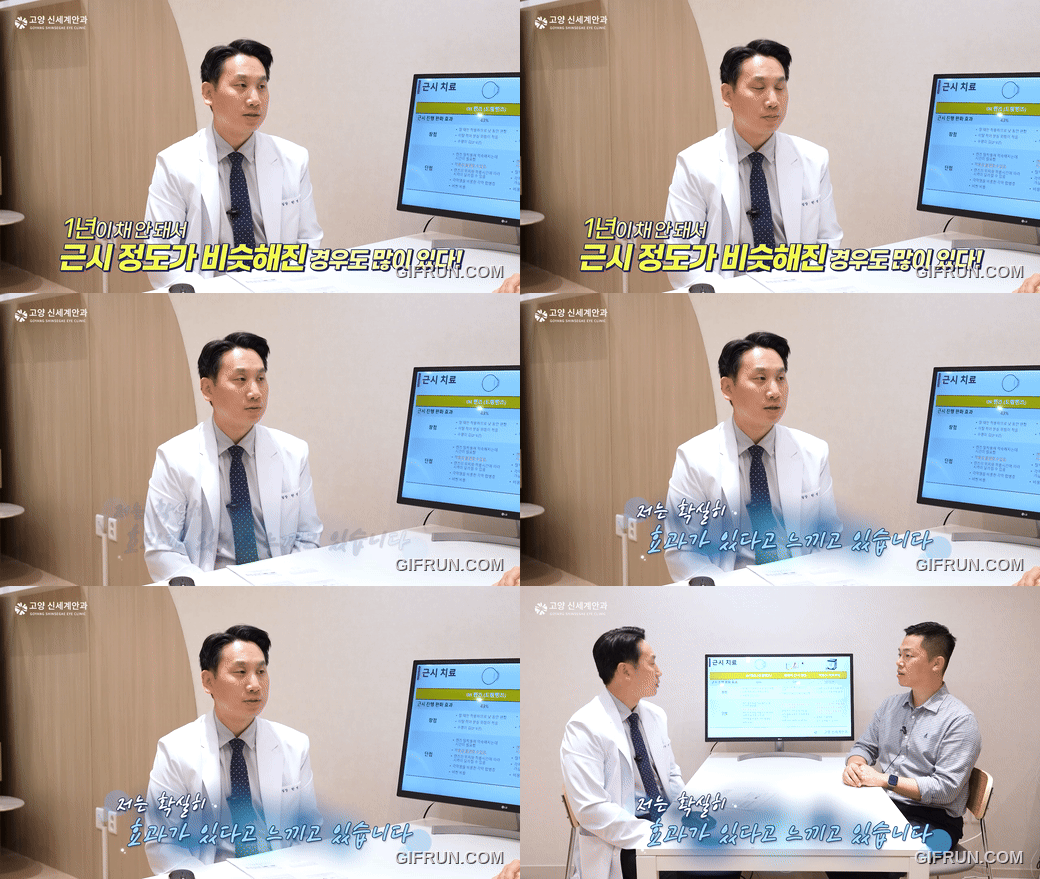
Several factors should be considered together, including the child's age, degree of myopia, presence of astigmatism, rate of progression, axial length, ability to tolerate contact lenses, and daily lifestyle.
When comparing pediatric eye clinics near Daegok Station, parents may wish to consider whether these factors can be comprehensively evaluated.
In some cases, a single treatment approach may be sufficient.
In others, an ophthalmologist may consider combining Ortho-K lenses or daily disposable myopia control contact lenses with low-dose atropine eye drops.
However, combining multiple treatments does not guarantee the same results for every child.
Treatment decisions should be individualized, and the child's response should be monitored through regular follow-up examinations.
Q&A | Frequently Asked Questions From Parents
Q. Will my child still need glasses while using low-dose atropine eye drops (Myotact)?
A. Yes, glasses may still be necessary.
Low-dose atropine is used to help slow myopia progression rather than directly correct existing refractive errors.
If a child already has blurry distance vision, prescription glasses or another appropriate method of vision correction may still be needed.
Q. Which myopia control treatment is the most effective?
A. No single treatment can be considered the most appropriate option for every child.
The choice depends on several factors, including the degree and progression of myopia, the presence of astigmatism, the child's age, daily activities, and their ability to adapt to contact lens wear.
A comprehensive eye examination can help determine which treatment options may be suitable for each child.
Managing childhood myopia involves more than simply adjusting a child's glasses prescription.
The primary goal is to monitor visual development and help prevent myopia from progressing too rapidly during the growing years.
If you are looking for an eye clinic near Daegok Station, pay attention to whether your child has recently started squinting when looking at distant objects or whether their glasses prescription has changed significantly over a relatively short period.
Regular eye examinations can help track changes in refractive error and, when appropriate, axial length.
By monitoring myopia progression and evaluating the available treatment options, an ophthalmologist can help determine an appropriate management plan based on your child's individual needs.
Thank you.