Hello, this is Goyang Shinsegae Eye Clinic, an eye clinic in Ilsan.
After wearing glasses or contact lenses for many years, some people begin considering vision correction surgery due to the inconvenience of ongoing maintenance and limitations in daily life.
As vision correction technology has advanced, various systems have been developed to track eye movements and deliver laser energy more precisely. This has led many patients to ask about AMARIS RED LASEK.
Today, we will take a closer look at the features of AMARIS RED LASEK, how the procedure works, what to expect during recovery, and what should be considered when choosing a vision correction procedure.

SMILE LASIK vs. 2-Day LASEK at an Ilsan Eye Clinic
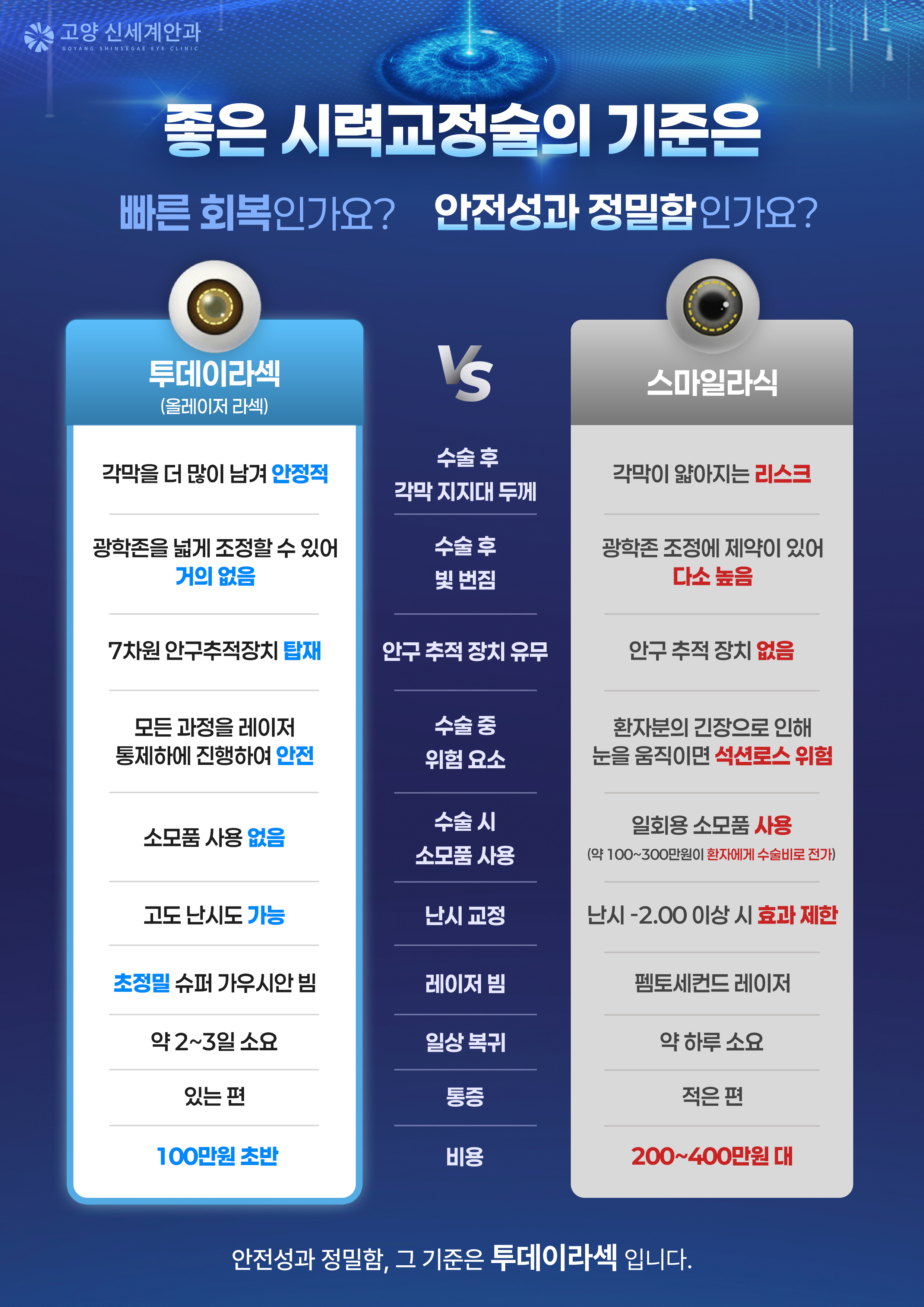
✔ Amount of Corneal Tissue Removed and Nighttime Glare
Because 2-Day LASEK can preserve more of the cornea’s supporting structure, it may reduce the risk of secondary complications such as corneal ectasia, which can occur when the cornea becomes excessively thin.
SMILE LASIK, on the other hand, may leave a thinner supporting structure than LASEK, potentially creating a comparatively greater risk.
Corneal ectasia: A complication in which a weakened area of the cornea gradually protrudes after LASIK or SMILE surgery because the cornea has become too thin.
✔ Intraoperative Stability and Decentration
During LASIK, SMILE, and LASEK procedures, the central optical zone of the cornea—approximately 6 mm in diameter—must be treated accurately.
However, patients may make small or large eye movements due to tension during surgery, making it difficult to target the 6 mm optical zone with complete accuracy without a tracking system.
For this reason, many laser platforms are equipped with an eye-tracking device. This system helps the laser remain aligned with the center of the cornea even if the patient’s eye moves.
SMILE LASIK does not use an active eye-tracking system during the laser treatment. Instead, the eye is stabilized through suction. If the patient becomes tense or moves the eye, suction may be interrupted. This situation is known as “suction loss.”
Some reports indicate that suction loss may occur in approximately 4 out of 100 patients, which is one factor to consider when evaluating the procedural stability of SMILE LASIK.
With 2-Day LASEK, the treatment process is performed under laser control. SMILE LASIK, however, requires the lenticule to be manually separated and removed. During this stage, additional surgical risks may arise, including irregular corneal tissue separation or epithelial ingrowth within the corneal stroma.
✅ Astigmatism Correction
2-Day LASEK may be considered for both high myopia and high astigmatism. With SMILE LASIK, the degree of correction may be limited when astigmatism exceeds −2.00 D.
✅ Nighttime Glare
The optical zone can be adjusted more broadly with 2-Day LASEK, which may help reduce nighttime glare. SMILE LASIK has more limitations in optical-zone adjustment, so the possibility of glare may be comparatively higher.
✅ Cost of Surgery
2-Day LASEK generally costs a little over KRW 1 million, whereas SMILE LASIK may cost between KRW 2 million and KRW 4 million.
One reason SMILE LASIK is more expensive is that it requires a disposable suction interface. Depending on the equipment, this single-use component may cost approximately KRW 1 million to KRW 3 million, and this expense is reflected in the surgical fee.
Because the disposable equipment cost associated with 2-Day LASEK is relatively low, the overall procedure may be more affordable.
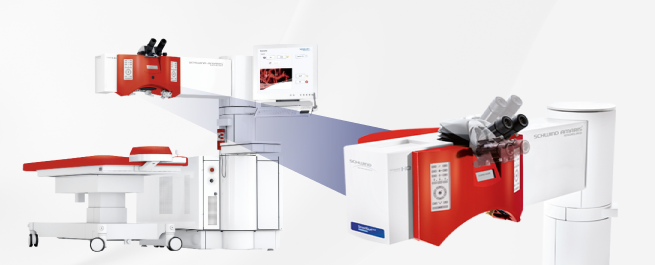
What Is AMARIS RED LASEK at an Ilsan Eye Clinic?
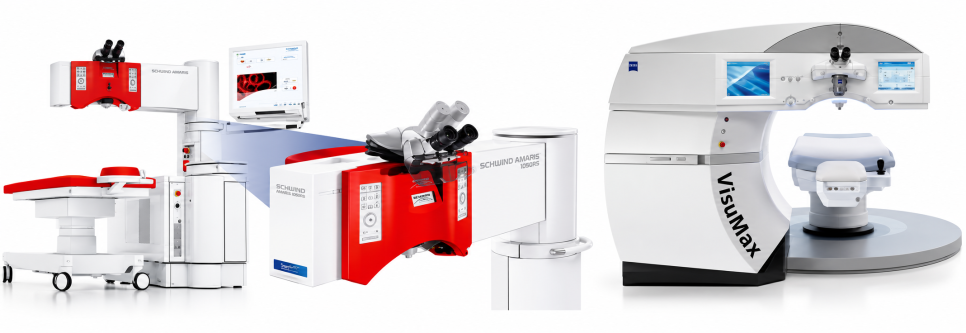
AMARIS RED is an excimer laser platform used for vision correction surgery.
It reshapes the cornea using a laser system designed to deliver precise treatment while tracking eye movements during the procedure.
Based on the results of a comprehensive eye examination, AMARIS RED delivers laser energy to the areas that require correction. It is also equipped with an eye-tracking system that monitors movements occurring during surgery.
However, the use of advanced equipment does not mean that the same procedure is appropriate for everyone.
Corneal thickness and shape, the degree of myopia or astigmatism, and the presence of dry eye syndrome should all be evaluated before selecting a procedure.
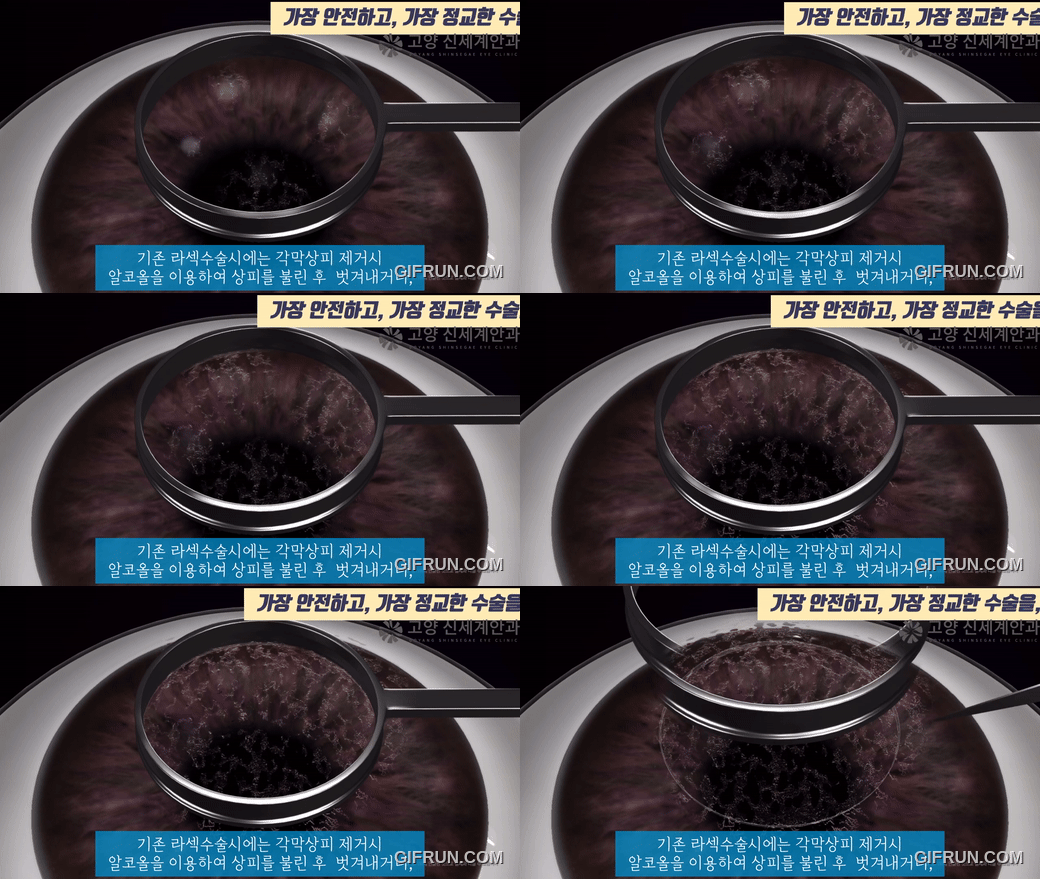
How Is It Different from Conventional LASEK?
In conventional LASEK, alcohol or a separate instrument such as a brush may be used to remove the corneal epithelium.
An excimer laser is then applied to the corneal stroma to reshape the cornea by the required amount.
With conventional techniques, the process of removing the epithelium may involve chemical or physical stimulation. Depending on the individual, this may influence postoperative discomfort and the recovery process.
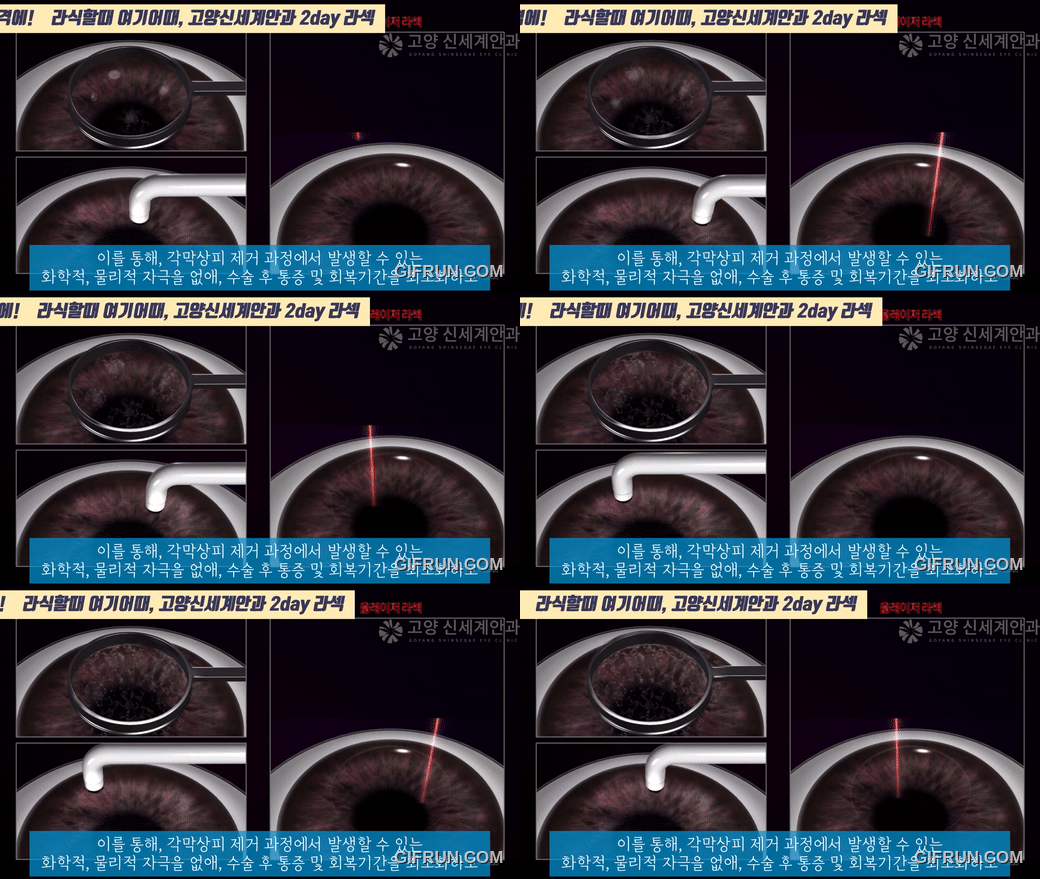
In contrast, the all-laser method used for AMARIS RED LASEK can apply laser energy during both the removal of the corneal epithelium and the reshaping of the corneal stroma.
This reduces the need to remove the epithelium directly with a surgical instrument and allows more stages of the treatment to be performed with a laser.
Because the shape and thickness of the cornea are not uniform between the central and peripheral areas, these differences should be considered when removing the epithelium.
The AMARIS RED system is designed to adjust laser delivery during epithelial removal according to the structure of the cornea.
It also incorporates an eye-tracking system that detects subtle eye movements during treatment and reflects them in the positioning of the laser.
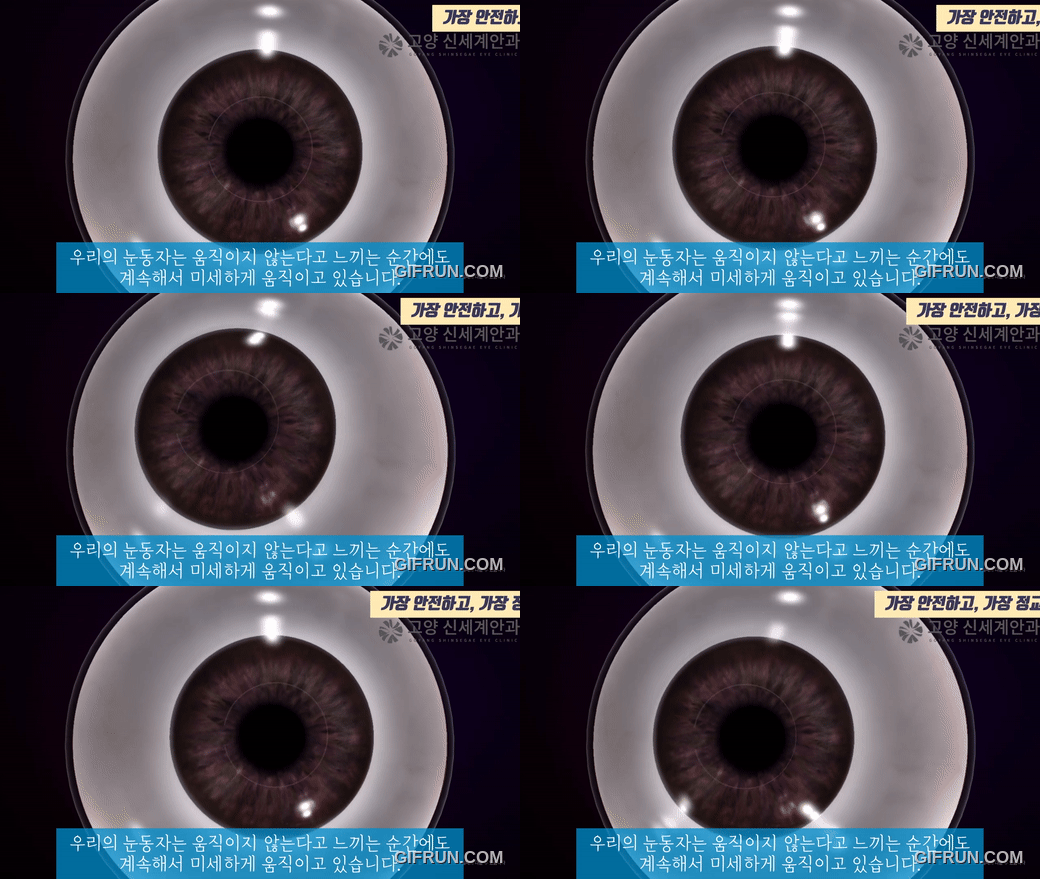
Eye-Tracking System
Many patients ask, “What happens if I move my eyes during the procedure?”
In laser vision correction, it is important to deliver the laser precisely to the planned treatment area.
Even when a patient looks steadily at a fixed point, the eye can still make subtle movements. For this reason, it is important to understand how the system detects and compensates for these movements during treatment.

AMARIS RED is equipped with a seven-dimensional eye-tracking system that monitors subtle eye movements in real time throughout the vision correction procedure.
Rather than detecting only horizontal and vertical movements, the system is designed to recognize various types of motion, including rotational movements, and reflect them in laser delivery.
It continuously tracks the direction and position of the eye to help keep the laser aligned with the planned treatment area.
If you are concerned that your eyes may move slightly because of tension during surgery, it may be helpful to ask how the eye-tracking system works and how it is used during the procedure.
Before deciding on surgery, it is important to compare the features of AMARIS RED LASEK with your individual eye condition and determine whether it is an appropriate vision correction option for you.
Thank you.