Hello, this is Goyang Shinsegae Eye Clinic, an ophthalmology clinic serving the Ilsan area.
“Do I really need regular eye examinations even if I can still see well?”
Many people assume that they only need to visit an ophthalmologist when their vision becomes blurry or when they begin to experience noticeable discomfort.
However, eye diseases do not always begin with obvious symptoms.
Diabetic retinopathy, age-related macular degeneration, and glaucoma are considered three major eye diseases that can lead to severe vision loss or blindness.
Although their causes and the parts of the eye they affect are different, they share one important characteristic: in the early stages, there may be few or no symptoms that a person can notice on their own.
For this reason, it is important not to assume that your eyes are healthy simply because your current vision seems normal. Regular eye examinations at an ophthalmology clinic near Jichuk can help assess the retina, optic nerve, and other internal structures of the eye.
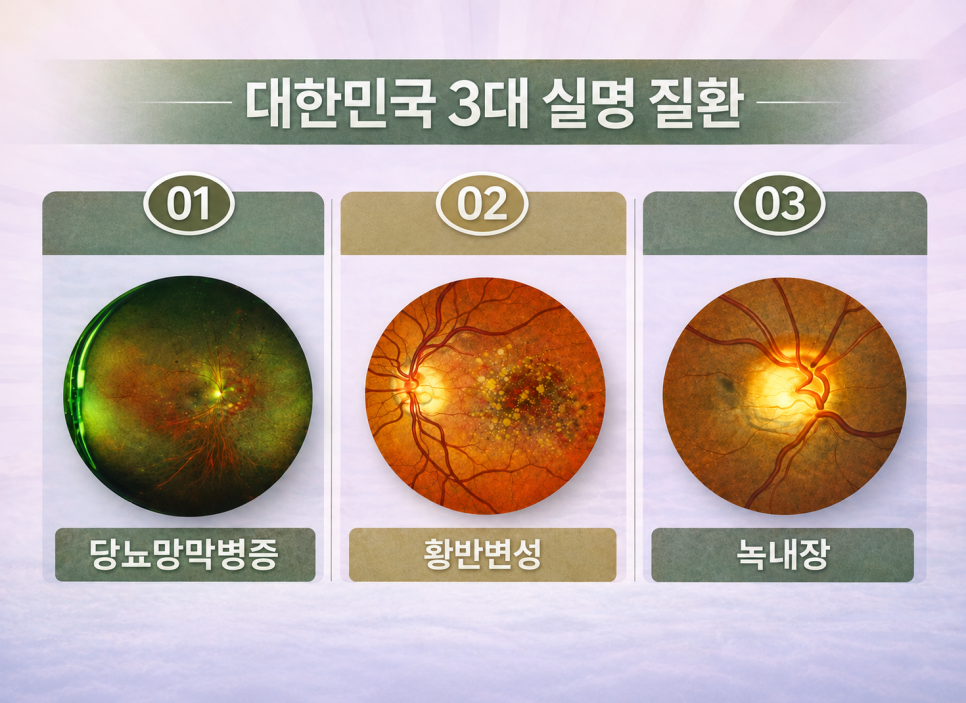
1. How Are the Three Major Causes of Blindness Different?
To understand these three conditions, it is helpful to first distinguish which part of the eye is primarily affected.
| Condition | Main Characteristics | Possible Symptoms as the Disease Progresses |
| Diabetic retinopathy | Damage to small retinal blood vessels caused by diabetes | Decreased vision, floaters, distortion of central vision |
| Age-related macular degeneration | Degenerative changes affecting the macula | Blurred central vision, straight lines appearing wavy |
| Glaucoma | Progressive damage to the optic nerve | Gradual narrowing of the visual field |
Because these conditions affect different structures of the eye, they cannot all be evaluated with a single test. Depending on the patient's condition, examinations may include a fundus examination, optical coherence tomography (OCT), intraocular pressure measurement, and visual field testing.
So, what are the main characteristics of each condition?
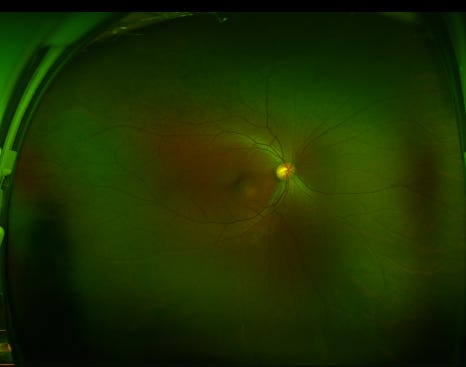
normal retina

diabetic retinopathy
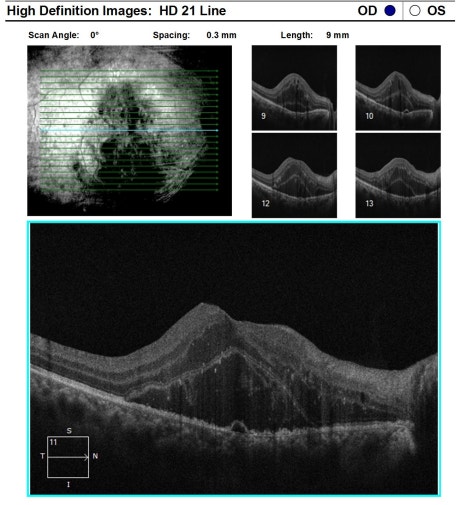
OCT image of diabetic retinopathy with macular edema
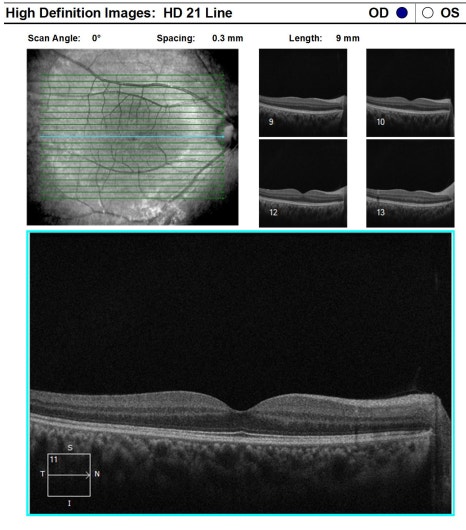
normal retinal OCT image
2. If You Have Diabetes, Regular Eye Examinations Are Important
Diabetic retinopathy occurs when prolonged high blood sugar levels damage the small blood vessels in the retina.
In the early stages, there may be little or no noticeable discomfort. However, as the condition progresses, bleeding or retinal swelling may develop.
In more advanced cases, abnormal new blood vessels may form, potentially leading to vitreous hemorrhage or retinal detachment.
Symptoms may include reduced vision, floaters that look like spots or threads moving in front of the eyes, or distortion of central vision.
Therefore, if you have been diagnosed with diabetes, it is important to have your eyes checked regularly, even if your current vision seems normal. A fundus examination and OCT may be used to assess the retina.
The appropriate examination interval may vary depending on each individual's condition.
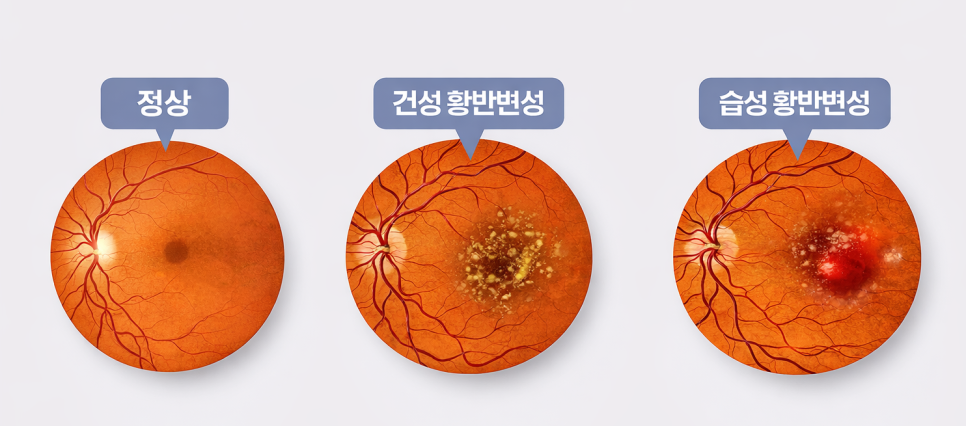
3. What If Straight Lines Look Wavy or the Center of Your Vision Appears Blurred?
The second condition is age-related macular degeneration.
The macula is located at the center of the retina and is responsible for detailed central vision, such as reading letters and recognizing faces.
Age-related macular degeneration occurs when degenerative changes develop in this area.
The dry form generally progresses more slowly, whereas the wet form can cause more rapid vision loss due to the growth of abnormal new blood vessels.
If straight lines that once appeared normal begin to look wavy, or if the center of your vision appears blurred, distorted, or partially blocked, it is important not to assume that these changes are simply part of normal aging.
If these symptoms occur, an eye examination can help determine the underlying cause.
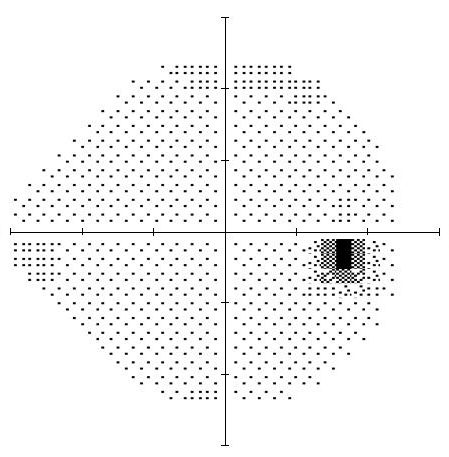
normal visual field
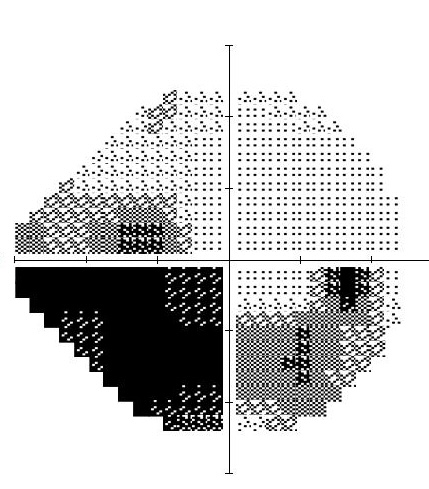
visual field of a patient with advanced glaucom
4. Why Is Glaucoma Difficult to Detect Early?
Glaucoma is an eye disease in which progressive damage to the optic nerve causes the visual field to gradually narrow.
Because it can be difficult to notice in its early stages, glaucoma is sometimes referred to as a “silent thief of sight.”
When peripheral vision deteriorates slowly, a person may not immediately notice any changes during everyday activities.
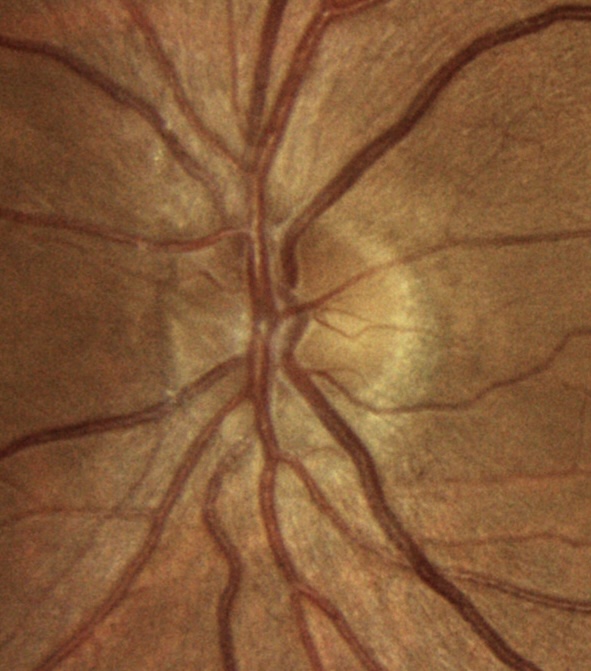
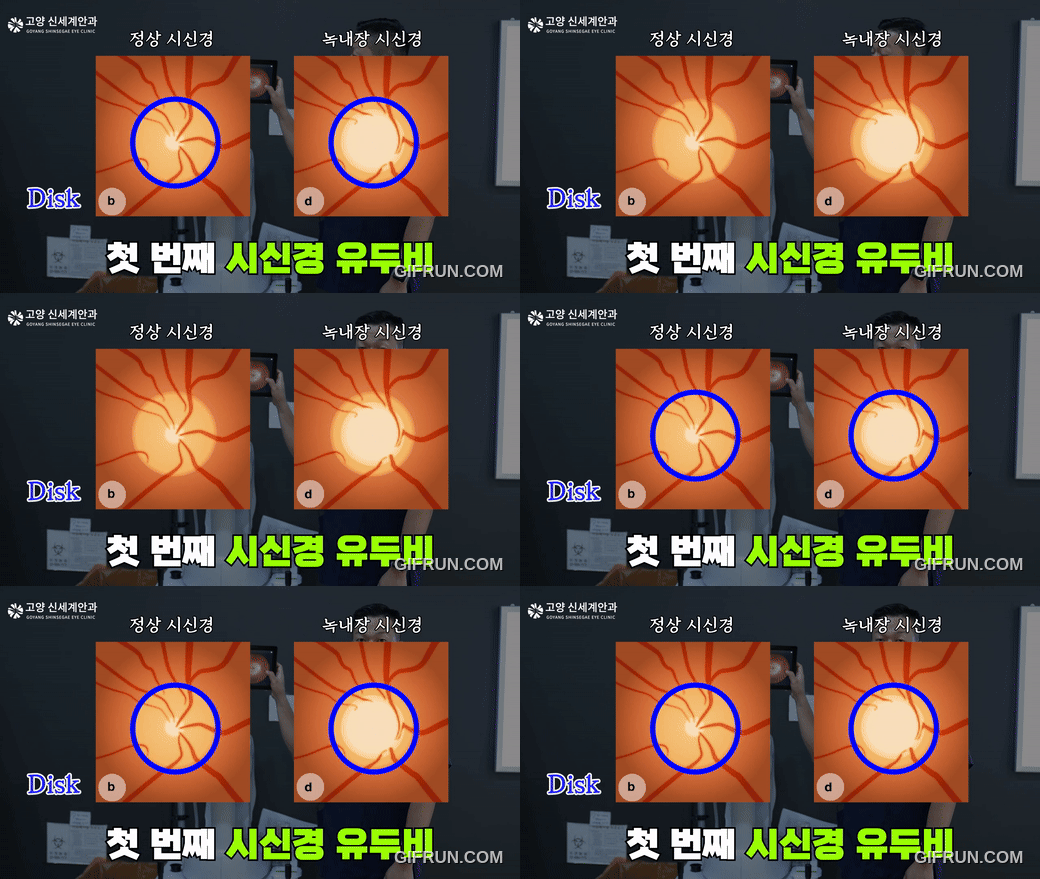
normal optic nerve
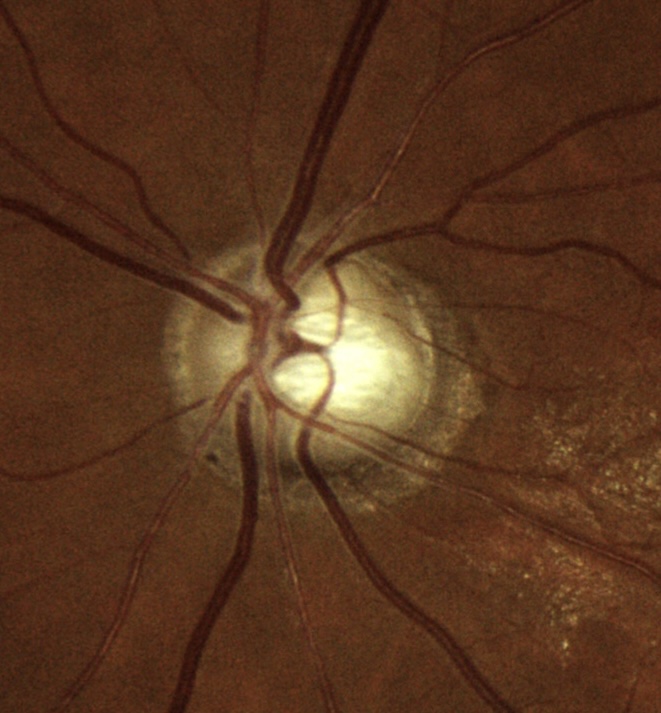
optic nerve affected by glaucoma
In addition, some people develop normal-tension glaucoma, in which optic nerve damage occurs even though intraocular pressure remains within the statistically normal range.
For this reason, a normal eye pressure reading alone does not necessarily rule out glaucoma.
Damage to the optic nerve is generally irreversible. Therefore, early detection and appropriate management of intraocular pressure are important for slowing further visual field loss.
Evaluation may include not only intraocular pressure measurement but also examination of the optic nerve and visual field.
Q&A | Common Questions About the Three Major Causes of Blindness
Q. Do I need an eye examination even if I do not have any symptoms?
A. Diabetic retinopathy, age-related macular degeneration, and glaucoma may cause few or no noticeable symptoms in their early stages. In some cases, the disease may already have progressed significantly by the time symptoms become apparent. If you have risk factors, regular eye examinations are important for monitoring your eye health.
Q. Who should be especially cautious?
A. Regular eye examinations may be particularly important for people over the age of 40, those with diabetes or high blood pressure, people with high myopia, and those with a family history of glaucoma or age-related macular degeneration. Smoking history and increasing age may also be associated with a higher risk of certain eye diseases.
Q. What tests may be performed during an eye examination near Jichuk Station?
A. Depending on the patient's condition and individual risk factors, examinations may include a fundus examination, OCT, intraocular pressure measurement, and visual field testing. Not every person requires the same set of tests, and the appropriate examination methods may vary depending on the condition being evaluated.

The most important point to remember about these three major causes of blindness is that relying only on the rule of “I will visit an ophthalmologist when my eyes become uncomfortable” may make early detection difficult.
Diabetic retinopathy and age-related macular degeneration can affect the retina, while glaucoma is associated with progressive damage to the optic nerve.
Because vision loss or structural damage that has already occurred may be difficult or impossible to reverse, detecting abnormalities as early as possible and beginning appropriate management is important.
For this reason, developing the habit of having regular eye examinations at an ophthalmology clinic near Jichuk is recommended.
In particular, people with risk factors such as diabetes, high blood pressure, high myopia, or a family history of eye disease should not delay examinations simply because they currently have no noticeable discomfort.
If you are looking for information about ophthalmology clinics near Jichuk Station or in the Ilsan area, it may be helpful to consider not only basic visual acuity testing but also how the retina, optic nerve, and other internal structures of the eye can be evaluated.
The purpose of regular eye examinations is not simply to identify a problem after symptoms become severe, but to detect changes that may be difficult to notice on your own as early as possible.
Thank you.